
Disinfecting vs. Cleaning: What Houston Offices Should Know
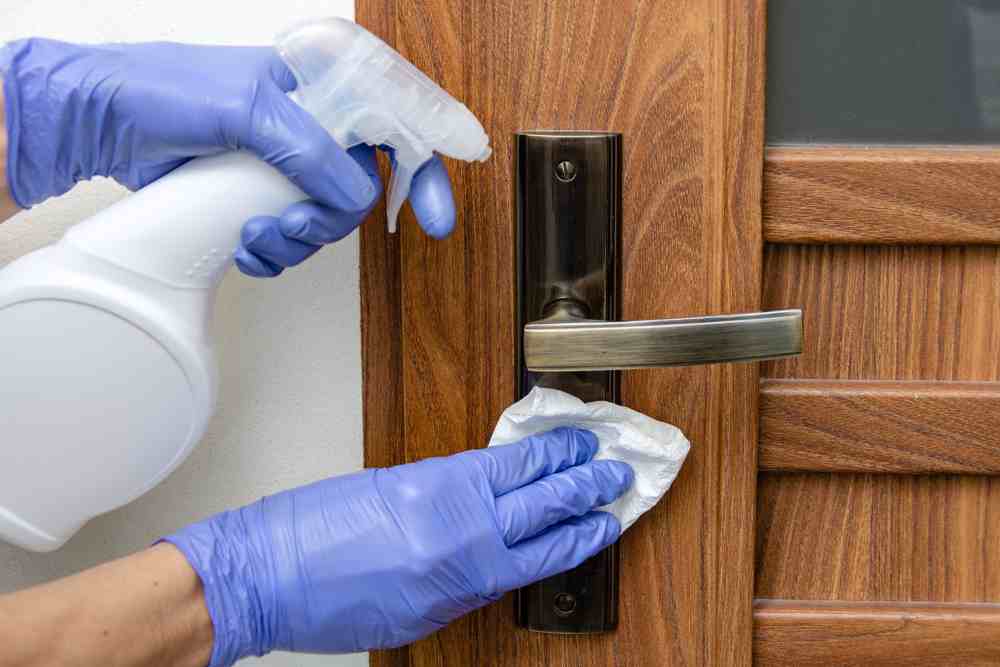
Maintaining a clean office is about more than just appearances—it’s about keeping your Houston workspace safe and healthy. But do you know the difference between cleaning and disinfecting? While both are essential, they serve different purposes in creating a germ-free environment. Cleaning removes dirt and dust, while disinfecting kills harmful pathogens. Understanding when and how to use each is key to ensuring your office remains a healthy place for employees and visitors. In this guide, Christingem Cleaning Services will break down everything Houston offices need to know to strike the right balance between cleanliness and safety. Defining Cleaning and Disinfecting Cleaning and disinfecting are often used interchangeably, but they are distinct processes with different goals. Cleaning involves the removal of dirt, dust, and debris from surfaces. This process typically uses soap, water, or detergents to wipe away visible grime. While cleaning improves the appearance of the space and removes allergens, it does not necessarily eliminate harmful bacteria or viruses. Disinfecting, on the other hand, is specifically aimed at killing germs. It involves applying chemicals to surfaces to destroy pathogens, including bacteria, viruses, and fungi. Disinfectants are usually stronger than standard cleaning agents, and they are applied after cleaning to ensure the surface is germ-free. Disinfection is crucial for preventing the spread of infectious diseases, especially in high-touch areas of an office. The Importance of Regular Cleaning Routine cleaning is the foundation of any office maintenance plan. Regularly cleaning surfaces, furniture, and office equipment not only creates a more pleasant working environment but also reduces the buildup of dust and allergens. In a city like Houston, where the hot and humid climate can lead to rapid dust accumulation, regular cleaning helps keep the air free from pollutants that may aggravate respiratory issues. A clean office also promotes a more professional appearance. First impressions are important, and clients or visitors entering a clean, well-organized office are more likely to view the company positively. Additionally, regular cleaning extends the life of office equipment and furniture by preventing dust and dirt from causing unnecessary wear and tear. Electronics, in particular, can benefit from regular cleaning to prevent malfunctions caused by dust buildup. When to Disinfect vs. Clean While cleaning is necessary for maintaining general tidiness, disinfecting should be reserved for instances when there is a need to kill germs on surfaces, especially in high-traffic areas. Office spaces such as kitchens, restrooms, and meeting rooms see frequent use, making them prime spots for germs to thrive. High-touch surfaces, including doorknobs, light switches, phones, and keyboards, should be disinfected regularly to reduce the risk of spreading illness among employees. In some situations, disinfecting may need to occur more frequently, such as during cold and flu season or in response to a health crisis like the COVID-19 pandemic. In such cases, a thorough disinfection routine can prevent the spread of illnesses and ensure the safety of employees and visitors. However, it’s important to remember that disinfecting works best when it follows cleaning—germs are more effectively killed on a clean surface. Choosing the Right Products Selecting the right cleaning and disinfecting products is crucial for effective office maintenance. For regular cleaning, it is wise to choose eco-friendly, non-toxic products that are safe for both employees and the environment. Many traditional cleaning products contain harsh chemicals that can leave behind strong odors or irritate the skin and respiratory systems, particularly in enclosed office spaces. When it comes to disinfecting, offices should use EPA-approved disinfectants that are proven to kill a wide range of pathogens, including viruses and bacteria. Disinfectants with high alcohol or bleach content are often most effective, but it’s important to follow the manufacturer’s instructions for proper application, including leaving the product on the surface for the required dwell time to maximize its germ-killing potential. Common Areas That Need Both Cleaning and Disinfecting Certain areas in Houston offices require both regular cleaning and periodic disinfecting to ensure they remain safe and hygienic. Restrooms are one of the most critical areas for both practices. Given the high risk of bacteria and virus transmission in these spaces, restrooms should be cleaned and disinfected multiple times a day. Break rooms or kitchen areas are also important spots for cleaning and disinfecting, as these are shared spaces where food is prepared and consumed, increasing the likelihood of contamination. Conference rooms and other high-traffic areas also need attention. In a city like Houston, where large office buildings are common, ensuring that shared spaces remain sanitary is critical for maintaining a healthy office environment. Regular cleaning followed by periodic disinfecting can significantly reduce the spread of germs in these frequently used areas. High-Traffic Areas That Need Frequent Attention Certain areas in every office see higher levels of activity and contact, which makes them more prone to accumulating germs and dirt. High-traffic areas like lobbies, hallways, elevators, and shared workstations require frequent cleaning and disinfecting to maintain hygiene standards. In a bustling city like Houston, offices often have large teams of employees and regular visitors, which increases the number of germs and contaminants in common spaces. Surfaces such as reception desks, elevator buttons, door handles, and communal office equipment are hotspots for the transmission of bacteria and viruses. These areas should be cleaned and disinfected more often than lower-traffic zones to reduce the risk of spreading illness throughout the office. Frequency of Disinfecting vs. Cleaning The frequency of cleaning versus disinfecting depends on the specific needs of the office and its layout. Cleaning should be a regular, daily practice that ensures all surfaces remain free from visible dirt, dust, and grime. Disinfecting, on the other hand, can be scheduled based on the type of surfaces and the frequency of their use. For example, high-touch surfaces such as light switches, keyboards, and desks should be disinfected daily, while less frequently used areas, like storage rooms, may not require such frequent disinfection. In larger Houston offices, establishing a rotating schedule for cleaning and disinfecting can ensure that all areas are covered without overburdening the cleaning staff. Office managers should assess
Disinfecting vs. Cleaning: What Houston Offices Should Know Read More »